Fish Finder for Sale with Real-Time Tracking
Fish Finder Features Explained: Key Insights Every Angler Should Have
Grasping fish finder capabilities is crucial for any angler aiming to improve their overall fishing performance. Various elements, such as sonar technology and GPS integration, play significant roles in elevating the experience of fishing. Each feature can impact how efficiently anglers navigate and locate fish. However, not all fish finders are created equal. Anglers need to assess their specific needs and the many options available. Which elements should be considered first to secure a rewarding experience on the water?
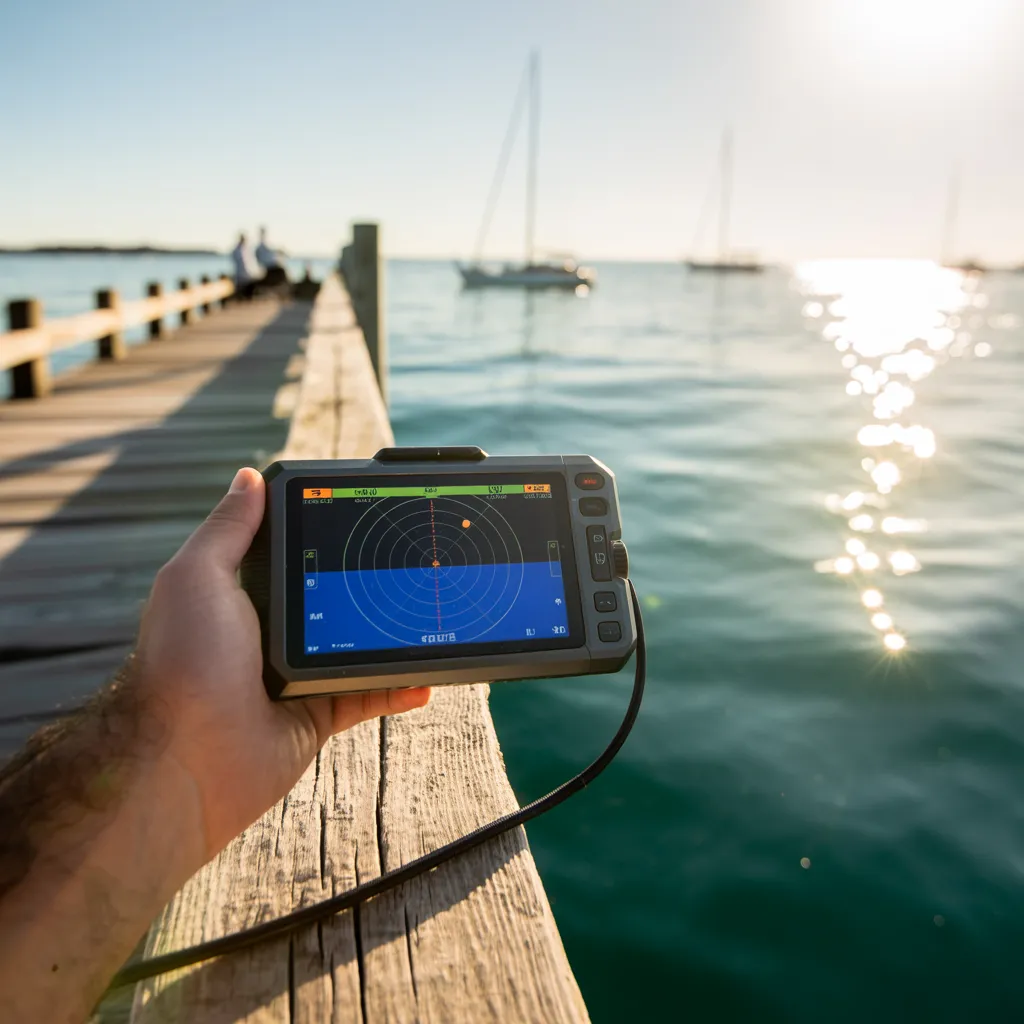
How to Find the Ideal Fish Finder for Your Purposes
When picking out a fish finder, what aspects should fishermen evaluate to make certain they choose wisely? Initially, the style of fishing determines the essential characteristics. For instance, freshwater and saltwater environments often call for distinct specifications. Next, screen dimensions and clarity are critical; expansive, high-clarity displays boost visibility and user-friendliness. Mobility is also a significant factor, especially for those who fish from smaller boats or kayaks.
Transducer type and frequency play a significant role in performance; higher frequencies offer detailed images in shallow waters, while lower frequencies are better for deeper environments. Furthermore, navigation features can prove advantageous for anglers who regularly venture into unfamiliar waters. Finally, budget considerations should align with the desired features without overspending. Through a thorough evaluation of these critical factors, anglers can confidently select a fish finder that best suits their individual fishing needs.
Understanding Sonar Technology and Its Benefits
Sonar technology acts as the cornerstone of today's fish finders, enabling anglers to locate submerged structures and fish schools with great accuracy. This technology utilizes sound waves to create comprehensive images of the subsurface environment. By sending out sound pulses and examining their echoes, sonar systems can determine the depth, dimensions, and makeup of objects beneath the surface.
Sonar technology is divided into two key types: standard 2D sonar and cutting-edge 3D sonar. While 2D sonar provides basic depth and fish location data, 3D sonar offers a more thorough view, revealing underwater landscapes and fish movement patterns. This information allows anglers to make informed decisions about fishing spots and techniques.
The benefits of sonar technology extend beyond mere fish detection. It further promotes safety by assisting anglers in avoiding underwater hazards, thus enhancing their overall fishing experience. Comprehending sonar capabilities supplies anglers with the resources required for fruitful and streamlined fishing outings.
Which Display Options Should You Think About?
When choosing a fish finder, fishing enthusiasts must evaluate the importance of screen size and display type. A larger screen can boost clarity and usability, while the type of display—such as LCD or LED—impacts sharpness and effectiveness in different lighting conditions. Grasping these options is essential for optimizing the effectiveness of the device on the water.
Screen Size Importance
The display size of a fish finder plays an important part in the fishing experience of an angler. A larger screen boosts clarity, enabling simpler analysis of information such as depth readings, fish whereabouts, and underwater structure. It minimizes the need for squinting or leaning in, which can be particularly beneficial during longer fishing sessions. On the other hand, compact screens can restrict detail and sharpness, making it harder to spot important underwater features. Additionally, screen size impacts portability; compact models are easier to transport but may sacrifice readability. In the end, choosing the appropriate screen size relies on the angler's needs, fishing approach, and their typical fishing conditions. Making a careful selection can considerably elevate the quality of every fishing outing.
Display Style Options
When selecting a fish finder, fishermen should thoroughly assess the numerous display types available, as they greatly affect usability and functionality. The primary options encompass LCD, LED, and OLED displays. LCD displays are widely used and provide clear visibility in various lighting conditions, while LED displays deliver enhanced brightness and energy efficiency. OLED screens, while generally pricier, provide superior contrast and color accuracy, making them more readable in strong sunlight. Additionally, anglers should consider screen size and resolution, as these elements affect the precision of the displayed information. Touchscreen functions can also improve the overall experience, facilitating quicker navigation through options and menus. At the end of the day, selecting the ideal display type can noticeably boost fishing success and overall enjoyment.
Why GPS Integration in Fish Finders Matters
GPS technology in fishfinders considerably enhances navigation features, permitting anglers to precisely identify their position on the water. This functionality also enables waypoint tracking, permitting fishermen to save and navigate back to productive fishing locations. Consequently, fishermen can refine their fishing approaches and improve overall efficiency on the water.
Enhanced Navigation Capabilities
Enhanced navigation functions in fishing devices greatly elevate the fishing journey by embedding GPS systems. This merging allows fishing enthusiasts to pinpoint their precise coordinates on the water, offering a dependable point for exploring unknown territories. With live mapping, users can track their progress, guaranteeing they continue on track while casting. In addition, GPS-integrated fishing units can show underwater measurements, contours, and below-surface formations, boosting knowledge of the aquatic landscape. This information enables anglers form educated choices about optimal fishing locations. Beyond that, the seamless fusion of sonar readings and GPS coordinates improves complete performance, allowing anglers to direct attention to their fishing approaches rather than concerning themselves with wayfinding. In conclusion, GPS technology considerably enhances the sport fishing journey, making it more secure and pleasurable.
Waypoint Handling Features
Waypoint management features in fish finders serve a critical function in boosting an angler's effectiveness on the water. These features allow anglers to identify, save, and travel to particular spots, including fruitful fishing locations, submerged structures, or potential dangers. Using GPS technology, users can conveniently recall saved waypoints and consult detailed charts, ensuring they can replicate successful outings. Furthermore, numerous fish finders provide the option to organize waypoints, permitting anglers to structure their top locations and distribute them among fellow anglers. This function decreases the effort invested in finding fish, allowing for more focused fishing efforts. In the end, proficient waypoint management converts fishing from a haphazard activity into a calculated effort, improving the chances of landing a productive catch.
Frequency and Transducer Types: Key Information You Need
What should anglers consider when selecting the appropriate frequency and transducer type for their fishing requirements? Picking the correct frequency is fundamental, as it greatly impacts the fish finder's performance in various water conditions. Higher frequencies, typically ranging from 200 kHz to 400 kHz, provide better detail and are ideal for shallow waters, revealing structures and fish more clearly. On the other hand, reduced frequencies, like 50 kHz, penetrate deeper waters effectively, making them suitable for offshore fishing where depth exceeds 100 feet.
The type of transducer also plays an important part. Traditional transducers are engineered for conventional sonar readings, while CHIRP (Compressed High-Intensity Radiated Pulse) transducers offer enhanced target separation and clarity. Moreover, a number of transducers are equipped with various frequency options, allowing anglers to adapt to different fishing environments. Recognizing these capabilities allows anglers to make well-informed choices that improve their fishing experience and overall performance on the water.
How to Fine-Tune Fish Finder Settings for Better Performance
Adjusting fish finder settings can greatly improve an fishing enthusiast's success on the water. To reach maximum performance, anglers should begin by adjusting the setting the frequency based on their surrounding water conditions. A increased frequency offers more detailed imagery in shallow waters, while reduced frequencies are better suited for deeper areas. Additionally, the sensitivity setting needs to be adjusted to improve target visibility; raising sensitivity can assist in identifying fish in murky waters, while setting start here it too high may crowd the readout.
Furthermore, using the right display setting—whether traditional 2D sonar or advanced options like CHIRP—can boost image clarity. Keeping up to date the fish finder's software ensures access to the latest upgrades and improvements. To conclude, getting acquainted with the unit's layout and controls enables rapid adjustments during fishing trips, improving the effectiveness of the unit and thereby improving fishing success.
Helpful Tips for an Enjoyable Fishing Experience
Even though fishing serves as a calming leisure activity, preparation and strategy are vital for success. Those who fish should first focus on picking the proper tools designed for their unique fishing conditions. This includes choosing appropriate rods, reels, and bait that align with the targeted fish species. Researching local fishing regulations and seasonal patterns can provide insights into the best fishing spots and times.
Utilizing a fish finder effectively enhances the experience of fishing. Familiarizing oneself with its features—such as depth readings and fish detection—can greatly improve catch rates. Moreover, maintaining a keen awareness of tides and weather changes plays an essential role in planning fishing trips.
Finally, develop patience and adaptability. Successful fishing often demands that you adjust your approach based on real-time observations. By combining preparation, technology, and flexibility, anglers can maximize their chances of a successful outing while enjoying the tranquility of nature.
Commonly Asked Questions
Can Fish Finders Be Used in Both Freshwater and Saltwater?
Fish finders are indeed usable in freshwater and saltwater settings alike. However, specific models are often engineered for ideal operation in one type, so fishing enthusiasts should choose accordingly based on their specific fishing environment.
How Do I Maintain My Fish Finder for Longevity?
To keep a fish finder for long-term use, consistently clean the transducer, avoid extreme temperatures, confirm proper storage, keep software updated, and check connections for corrosion. Following these steps can considerably extend the lifespan and functionality of the device.
Are There Cost-Effective Fish Finder Options to Consider?
Affordable fish finder options are indeed available. Several manufacturers produce trustworthy models with core features at reduced price points, making it easier for anglers to find suitable devices without overspending while still ensuring effective fishing experiences.
Is It Possible to Connect My Fish Finder to My Smartphone?
Indeed, numerous current fish finders provide smartphone connectivity with Bluetooth or Wi-Fi. This functionality empowers users to retrieve settings, data, and maps directly from their smartphones, improving their convenience and fishing experience.
What Are Some Common Troubleshooting Steps for My Fish Finder?
Standard troubleshooting procedures for a fish finder consist of inspecting connections, verifying the power source, fine-tuning the settings, inspecting the transducer for damage, and performing a reset on the unit. These actions often resolve issues and restore functionality effectively.